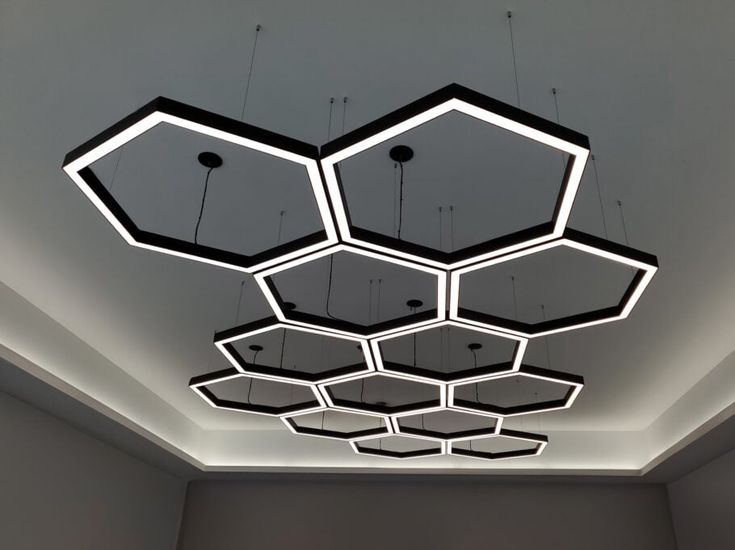
“Good office lighting does more than illuminate a room. It supports concentration, improves visual comfort and helps create a professional working environment.”
Lighting is one of the most important elements of office interior design. It affects how employees read documents, use computers, interact with colleagues and experience the workplace. Poor lighting can cause glare, uncomfortable shadows and visual fatigue, while a well-planned lighting system makes an office more functional and welcoming.
For businesses planning a new workspace or renovating existing premises, office lighting design should be considered alongside the ceiling, furniture, electrical layout, partitions and natural light sources.
At Office Interiors Kenya, our office interior design and fit-out services include electrical and lighting design, ceiling finishes, space planning and project coordination. This allows lighting to be integrated into the overall design rather than treated as an afterthought.
1. Why Is Good Office Lighting Important?
Office lighting influences both the functionality and appearance of a workplace.
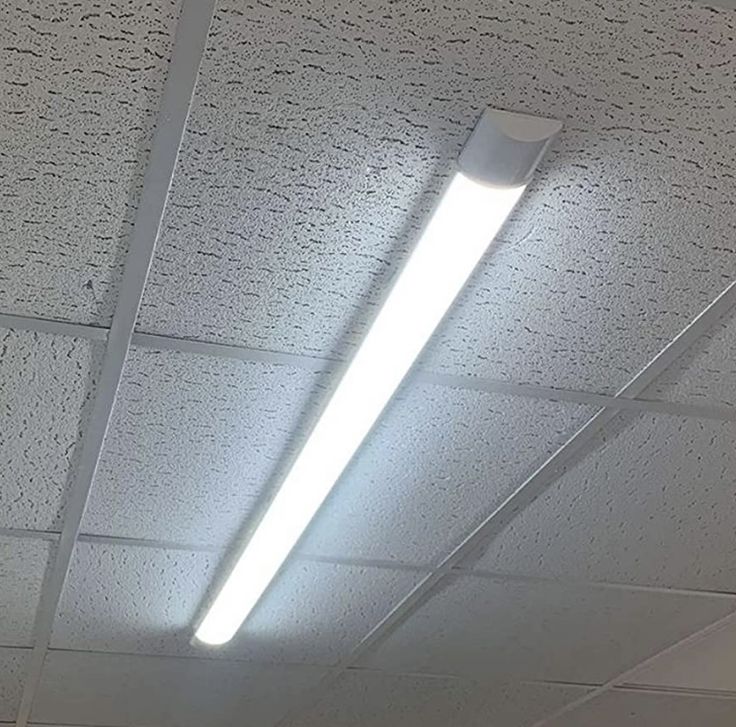
Some of its main benefits include:
- Improved visibility: Employees can read documents, write and perform detailed tasks more comfortably.
- Reduced glare: Correct fixture positioning and suitable lighting levels help minimise reflections on computer screens.
- Better workplace appearance: Lighting highlights reception areas, meeting rooms, furniture and architectural features.
- Improved comfort: A balanced lighting arrangement helps avoid excessively dark or harsh spaces.
- Energy efficiency: Appropriate LED fixtures and controls can help reduce electricity consumption.
- Better use of natural light: A good layout can make daylight available to more parts of the office.
2. Types of Office Lighting Used in Kenya
Most professional office lighting schemes combine different lighting types rather than relying on one source.
A. Ambient Lighting
Ambient lighting provides general illumination throughout a room. It is usually supplied by ceiling-mounted LED panels, recessed lights or other evenly distributed fixtures.
It is suitable for:
- Open-plan workspaces.
- Reception areas.
- Corridors.
- Staff common areas.
- General office circulation spaces.
The objective is to create consistent illumination without overly bright or dark patches.
B. Task Lighting
Task lighting provides focused illumination for specific activities.
Examples include:
- Desk lamps.
- Adjustable workstation lights.
- Lighting above reception counters.
- Focused lighting in document-processing areas.
- Reading lights in selected meeting spaces.
Task lighting can be useful where employees carry out detailed work or where general ceiling lighting is insufficient.
C. Accent Lighting
Accent lighting draws attention to particular features within an office.
It can be used to highlight:
- Company logos.
- Reception feature walls.
- Artwork.
- Decorative wall panels.
- Architectural ceiling details.
- Display shelves.
It should complement the general lighting rather than create excessive brightness or distracting contrasts.
D. Decorative Lighting
Decorative fixtures contribute to the character of an office. These may include pendant lights, feature chandeliers or contemporary suspended fittings.
They are commonly used in reception areas, executive spaces and selected meeting rooms.
For more ideas on coordinating decorative fixtures with furniture and finishes, read our guide to office interior decoration in Kenya.
3. Popular Office Lighting Fixtures
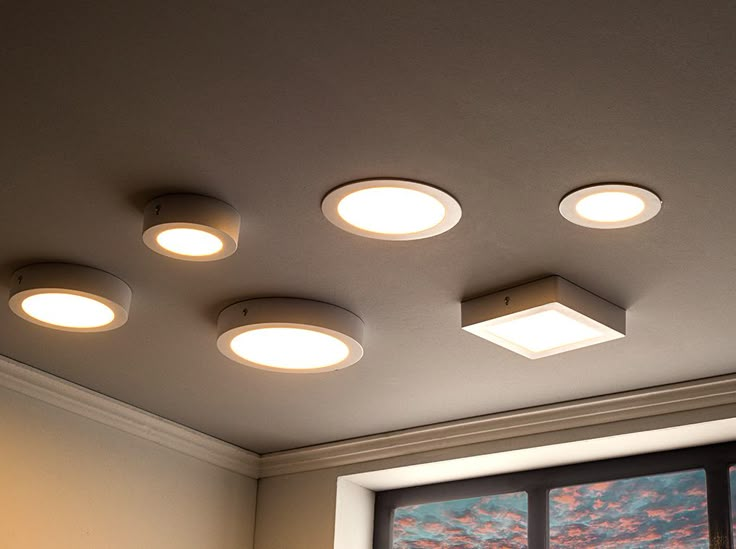
The fixture should be selected according to the ceiling type, room size, lighting requirement and desired appearance.
| Lighting fixture | Common application | Main consideration |
|---|---|---|
| LED panel lights | Open-plan offices | Even general illumination |
| Recessed LED downlights | Reception and corridors | Clean ceiling appearance |
| Linear LED lights | Workstations and circulation areas | Directional and contemporary layouts |
| Pendant lights | Reception and meeting spaces | Decorative and focused illumination |
| Track lighting | Feature walls and displays | Adjustable light direction |
| Desk lamps | Individual workstations | Focused task lighting |
| LED strip lighting | Bulkheads and feature details | Indirect decorative illumination |
LED panels are often suitable for larger office spaces because they can provide broad, evenly distributed illumination. Pendant and decorative fittings are more appropriate where appearance and visual emphasis are important.
4. How to Plan Office Lighting for Different Areas
A successful lighting plan considers what employees and visitors do in each part of the office.
| Office area | Recommended lighting approach |
|---|---|
| Reception | Balanced ambient lighting with accent lighting for branding |
| Open-plan workstations | Uniform ceiling lighting with glare control |
| Private offices | General lighting with optional task lighting |
| Boardroom | Dimmable general lighting and presentation-friendly controls |
| Meeting rooms | Balanced lighting that works with screens and video calls |
| Corridors | Consistent, safe illumination |
| Staff kitchenette | Practical lighting over counters and sink areas |
| Storage and filing rooms | Clear general lighting for locating documents |
For a coordinated reception, lighting should work with the desk, logo wall and visitor seating. Our article on office reception desk costs and design offers ideas for planning this important space.
Boardrooms also require careful lighting because presentations and video conferencing can be affected by glare. Explore our boardroom design services when planning executive meeting spaces.
5. Office Lighting Layout: How Should Lights Be Positioned?
The arrangement of lighting fixtures is as important as the type selected.
A good layout should consider:
- The dimensions and shape of each room.
- The position of desks and workstations.
- Window locations and natural light.
- Ceiling height and ceiling construction.
- Computer screens and presentation displays.
- Meeting room tables and circulation routes.
- Existing electrical points and wiring.
In an open-plan office, fixtures should be distributed to provide reasonably consistent illumination across the work area. Avoid placing bright fittings in positions that create direct reflections on monitors.
For workstations near windows, consider how daylight changes throughout the day. Blinds or other suitable window treatments can help control glare while retaining natural light.
Professional space planning and consultation can help coordinate lighting positions with the furniture and floor layout.
6. How to Reduce Glare in the Office
Glare is one of the most common lighting problems in workplaces. It can come from direct sunlight, poorly positioned ceiling fixtures or reflections from glossy surfaces.
Practical ways to reduce glare include:
- Position computer screens away from direct window reflections where possible.
- Use suitable blinds to control excessive sunlight.
- Select fixtures with appropriate diffusers or glare-control features.
- Avoid placing bright fittings directly in employees’ normal lines of sight.
- Use balanced lighting instead of creating very bright and very dark zones.
- Consider matte finishes for surfaces where reflections are problematic.
- Review lighting positions before finalising workstation layouts.
Lighting and furniture should be planned together. Our guide to office furniture in Kenya discusses furniture selection for different office areas.
7. Coordinate Lighting with Office Ceilings
The ceiling determines where fixtures can be installed and how cables, drivers and other components are concealed.
For example:
- Gypsum ceilings can accommodate recessed fittings and selected LED strip details.
- Suspended ceilings can use compatible modular lighting panels.
- Feature ceilings can incorporate decorative and indirect lighting.
- Exposed ceilings may require surface-mounted or suspended fixtures.
Lighting should be coordinated with ventilation, air-conditioning equipment, fire-safety systems and access panels. Any electrical work should be undertaken by appropriately qualified professionals.
For broader ceiling and finishing requirements, explore our office interior design and fit-out services.
8. How Much Does Office Lighting Cost in Kenya?
Office lighting costs depend on fixture type, quantity, ceiling condition, wiring, controls, installation height and the complexity of the electrical work.
The following are Office Interiors Kenya rates:
| Lighting item | Indicative cost |
|---|---|
| Basic LED downlight | KES 800–2,500 per fitting |
| LED panel light | KES 2,500–7,000 per fitting |
| Linear LED fitting | KES 3,000–12,000+ per fitting |
| Decorative pendant light | KES 5,000–30,000+ per fitting |
| LED strip lighting | KES 300–1,200+ per metre |
| Basic installation labour | Depends on wiring and site conditions |
A simple office lighting upgrade may cost less than a project involving new electrical circuits, ceiling alterations, decorative fixtures and lighting controls.
For a broader project budget, see our guide to office interior design costs in Kenya. Businesses planning a full transformation can also compare the components covered in our office fit-out cost guide.
9. Common Office Lighting Design Mistakes to Avoid
Avoid these mistakes when planning an office lighting installation:
- Installing too few lights for the size of the room.
- Using overly bright fixtures that create glare.
- Ignoring natural light and window positions.
- Selecting decorative fittings that do not provide sufficient illumination.
- Failing to coordinate lights with ceiling designs.
- Placing lights where they reflect directly on computer screens.
- Ignoring lighting requirements in meeting and presentation rooms.
- Making electrical changes after ceilings and finishes are complete.
Why Work with Office Interiors Kenya?
Office lighting is most effective when it is coordinated with the entire workplace design. This means considering ceilings, furniture, partitions, electrical requirements, reception areas and the activities taking place in each room.
Office Interiors Kenya offers office interior design and fit-out solutions covering concept development, 3D visualisations, electrical and lighting design, furniture coordination, flooring, ceilings and project supervision.
Businesses can also explore our office interior decoration services for ideas on combining lighting, colours, furniture and decorative features.
Areas We Serve
Office Interiors Kenya provides office interior design and fit-out services in Nairobi, including Westlands, Lavington, Karen, Kilimani, Kileleshwa, Runda, Muthaiga, Gigiri, Loresho, Lang’ata, Spring Valley, Lower Kabete, Ruaka, Utawala and Ruiru.
We also serve Mombasa, Kisumu, Nakuru, Eldoret, Naivasha, Meru, Thika and Machakos. Businesses in other parts of Kenya and East Africa can contact us to confirm project availability.
Improve Your Office Lighting with Office Interiors Kenya
The right lighting arrangement can make your office more comfortable, functional and visually appealing. Whether you need to improve workstation lighting, upgrade a reception area or integrate lighting into a complete office renovation, proper planning is essential.
Call or WhatsApp 0717 044 443, 0739 255 050 or 0725 021 709, or email info@interiordesigners.co.ke to discuss your project.
Visit our website or contact our team to request a quotation.
